Dinner · Thai-inspired
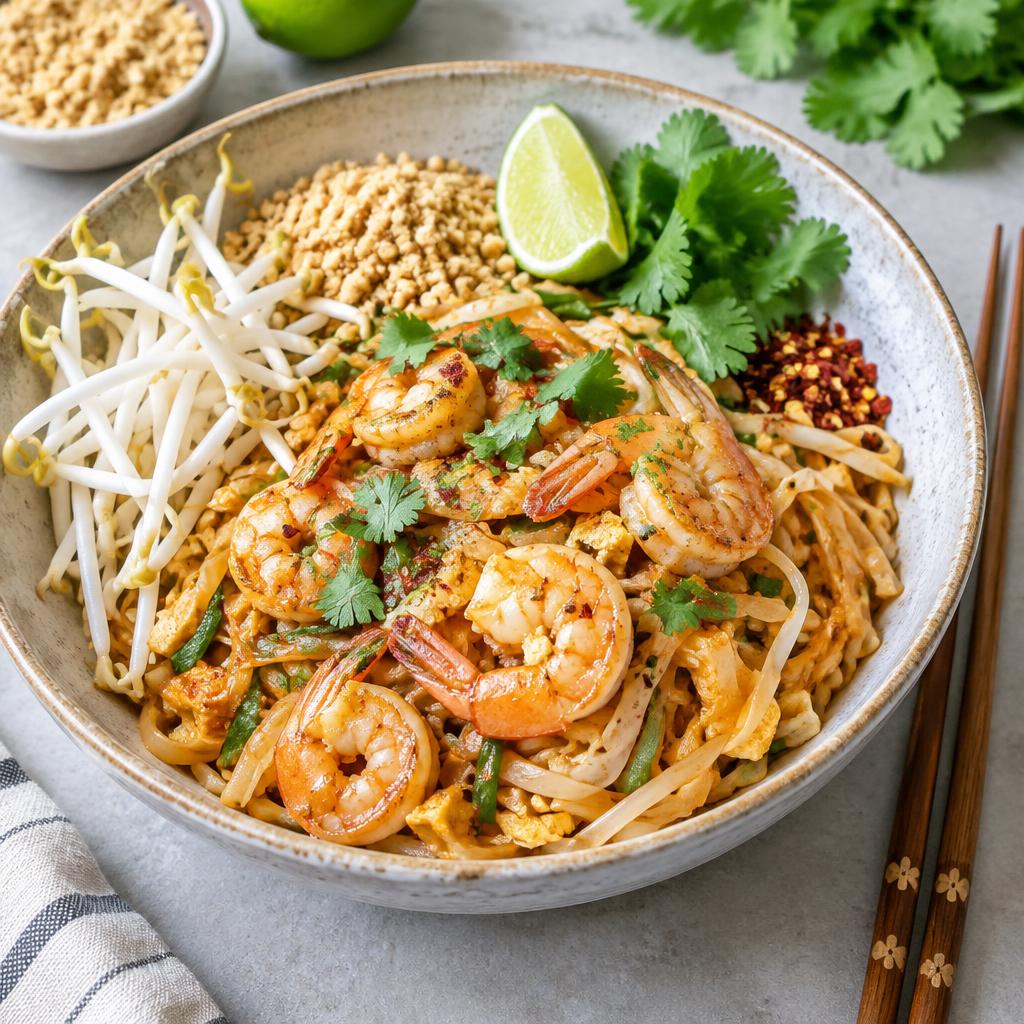
Thai Shrimp Pad Thai
Advertisement
Chewy rice noodles in a sweet-sour tamarind sauce with shrimp, peanuts and lime.
Share this recipe
Pad thai is Thailand's most famous export for a reason: chewy rice noodles tossed in a glossy sauce that hits sweet, sour, salty and savory all at once, with plump shrimp, soft ribbons of egg, crunchy bean sprouts and a shower of crushed peanuts. Street vendors in Bangkok make it in minutes over roaring woks — and with a little prep, so can you. The whole secret is the sauce: tamarind paste for sourness, palm sugar for sweetness and fish sauce for that deep savory backbone. Mix it before you start, because once the wok is hot, everything moves fast. Have every ingredient chopped and within reach, cook in two batches so the noodles sear instead of steam, and finish with lime, chili flakes and cilantro. Thirty minutes, one wok, and takeout is officially cancelled.
Advertisement
❤️ Why You'll Love This Recipe
- Faster and fresher than delivery — 30 minutes start to finish
- The perfect balance of sweet
- sour
- salty and savory
- One wok
- minimal cleanup
- Easy to customize with chicken
- tofu or extra vegetables
- A fun way to cook with tamarind
- a new pantry hero
📋 Recipe Details
- Prep Time
- 15 min
- Cook Time
- 15 min
- Total Time
- 30 min
- Servings
- 4
- Difficulty
- Medium
🧄 Ingredients
4 bowls
- 250 g (9 oz) flat rice noodles (pad thai width)
- 3 tbsp tamarind paste
- 3 tbsp fish sauce
- 3 tbsp palm sugar (or brown sugar)
- 1 tbsp soy sauce
- 2 tbsp oil, divided
- 300 g (10 oz) shrimp, peeled and deveined
- 3 garlic cloves, minced
- 2 large eggs, lightly beaten
- 2 cups bean sprouts
- 4 green onions, cut into 5 cm (2 inch) pieces
- 60 g (½ cup) roasted peanuts, crushed
- 1 lime, cut into wedges
- Chili flakes, to taste
- Fresh cilantro, to garnish
👨🍳 Step-by-Step Instructions
- 1
Soak the rice noodles in warm water 20–25 minutes until pliable but still firm. Drain well.
- 2
Whisk the tamarind paste, fish sauce, palm sugar and soy sauce until the sugar dissolves. Set the sauce aside.
- 3
Heat 1 tbsp oil in a wok or large skillet over high heat. Sear the shrimp 1–2 minutes per side until pink and just cooked through (145°F / 63°C). Remove and set aside.
- 4
Add the remaining oil and the garlic; stir 15 seconds. Push to one side and pour in the eggs. Scramble until just set.
- 5
Add the drained noodles and the sauce. Toss constantly 2–3 minutes, adding a splash of water if needed, until the noodles are tender and glossy.
- 6
Return the shrimp, add half the bean sprouts and the green onions, and toss 1 minute more.
- 7
Serve immediately topped with the remaining sprouts, crushed peanuts, chili flakes, cilantro and lime wedges.
Advertisement
💡 Cooking Tips
- Prep everything before you turn on the heat — pad thai waits for no one.
- Don't oversoak the noodles; they finish cooking in the sauce.
- Cook in two batches if your pan is small, so the noodles sear instead of steaming.
- Taste the sauce before cooking and adjust: it should be boldly sweet-sour-salty.
🔄 Ingredient Substitutions
- Swap shrimp for chicken, tofu or a mix — cook chicken to 165°F (74°C).
- No tamarind? Use 2 tbsp lime juice plus 1 tbsp rice vinegar (the flavor is brighter, less deep).
- Palm sugar can be replaced with brown sugar or coconut sugar.
- Add julienned carrots, bell pepper or shredded cabbage for extra vegetables.
🧊 How to Store
Pad thai is best fresh, but leftovers keep in an airtight container in the fridge for up to 2 days. The noodles soften as they sit.
♨️ How to Reheat
Reheat in a hot skillet with a splash of water, tossing, until warmed through. Add fresh bean sprouts, peanuts and lime after reheating to revive the crunch.
❄️ Can I Freeze It?
Not recommended — rice noodles turn mushy when frozen and thawed. The sauce alone freezes well for up to 2 months.
🥑 Nutrition Information
Per serving. These values are an estimate only and will vary with the exact ingredients and brands you use.
- Calories
- ≈ 540 kcal
- Protein
- ≈ 28 g
- Carbs
- ≈ 72 g
- Fat
- ≈ 16 g
- Sodium
- ≈ 1150 mg
Advertisement
❓ Frequently Asked Questions
What is tamarind paste?
A sour, fruity concentrate made from tamarind pods — the signature flavor of pad thai. Find it in Asian grocery stores or online.
Why are my noodles mushy?
They were soaked too long or the pan was overcrowded. Soak until just pliable and cook in batches over high heat.
Is pad thai spicy?
Not by default — the heat comes from chili flakes added at the table, so everyone controls their own.
Can I make it vegetarian?
Yes — use tofu, swap fish sauce for soy sauce or a vegetarian fish sauce, and load up the vegetables.
What noodles should I buy?
Look for flat rice stick noodles labeled 'pad thai' or 'chantaboon' — about 5 mm (¼ inch) wide.
Can I prep the sauce ahead?
Absolutely — the sauce keeps in the fridge for a week, which makes weeknight pad thai a 15-minute meal.
💭 Final Thoughts
Once you've balanced your own pad thai sauce, takeout will never taste the same. Squeeze the lime, scatter the peanuts, and enjoy your new weeknight superpower.
🎉 Loved it? Share this recipe!
🍽️ Switch It Up
Try a Different Flavor Next
Popular picks from other cuisines our readers love.
Moroccan
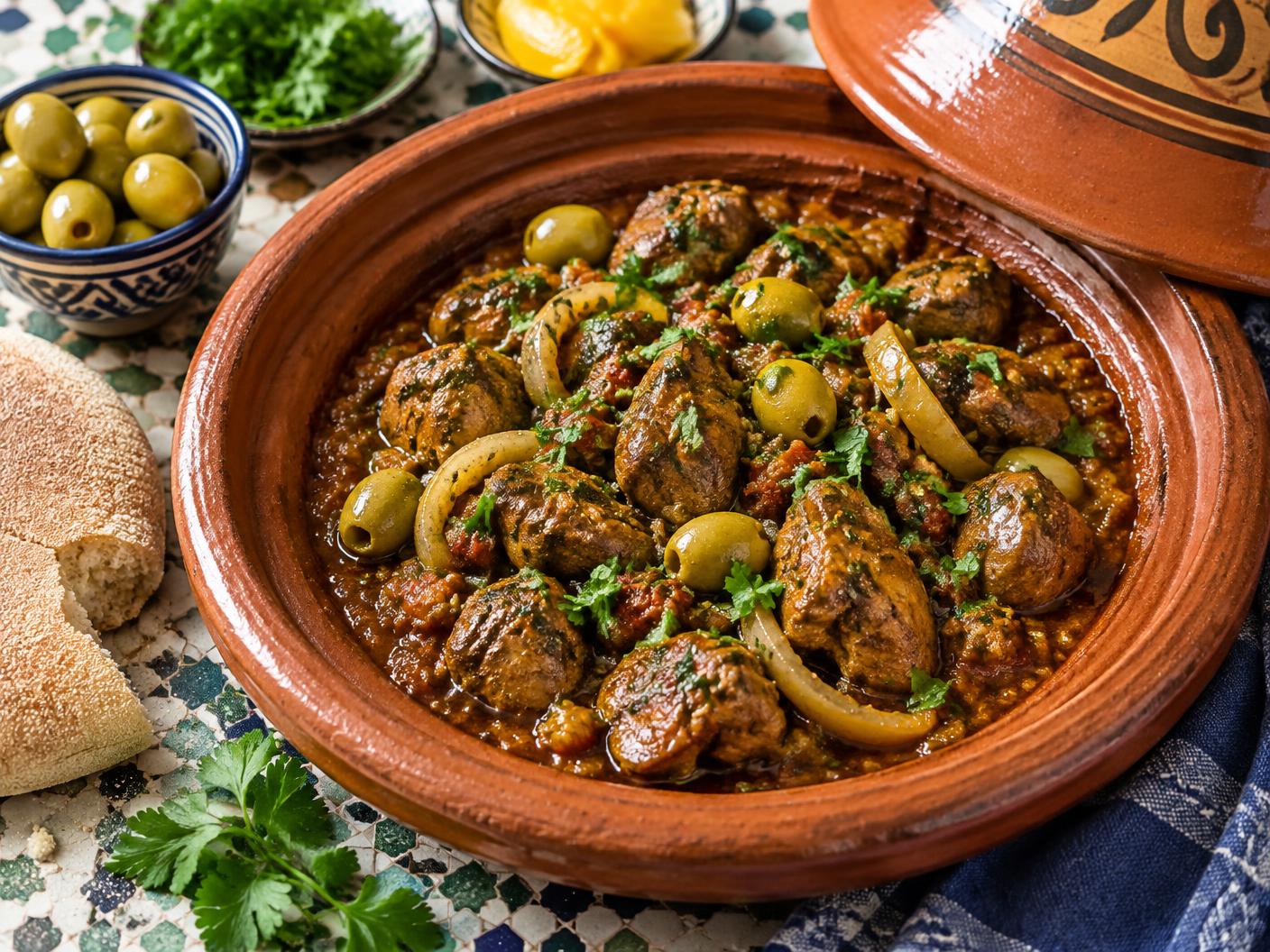
Moroccan Chicken Liver Tagine
35 min · Easy
American
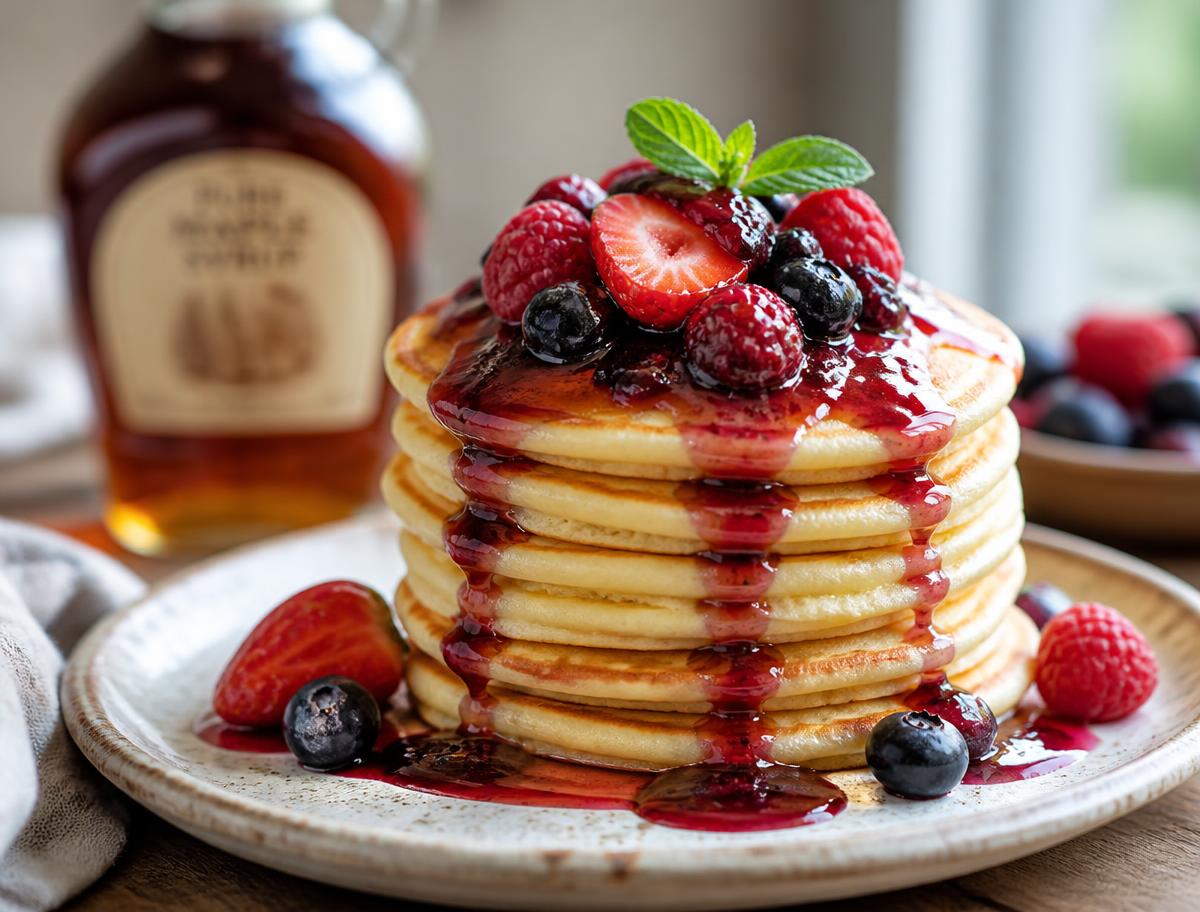
Fluffy Buttermilk Pancakes with Berry Compote
30 min · Easy
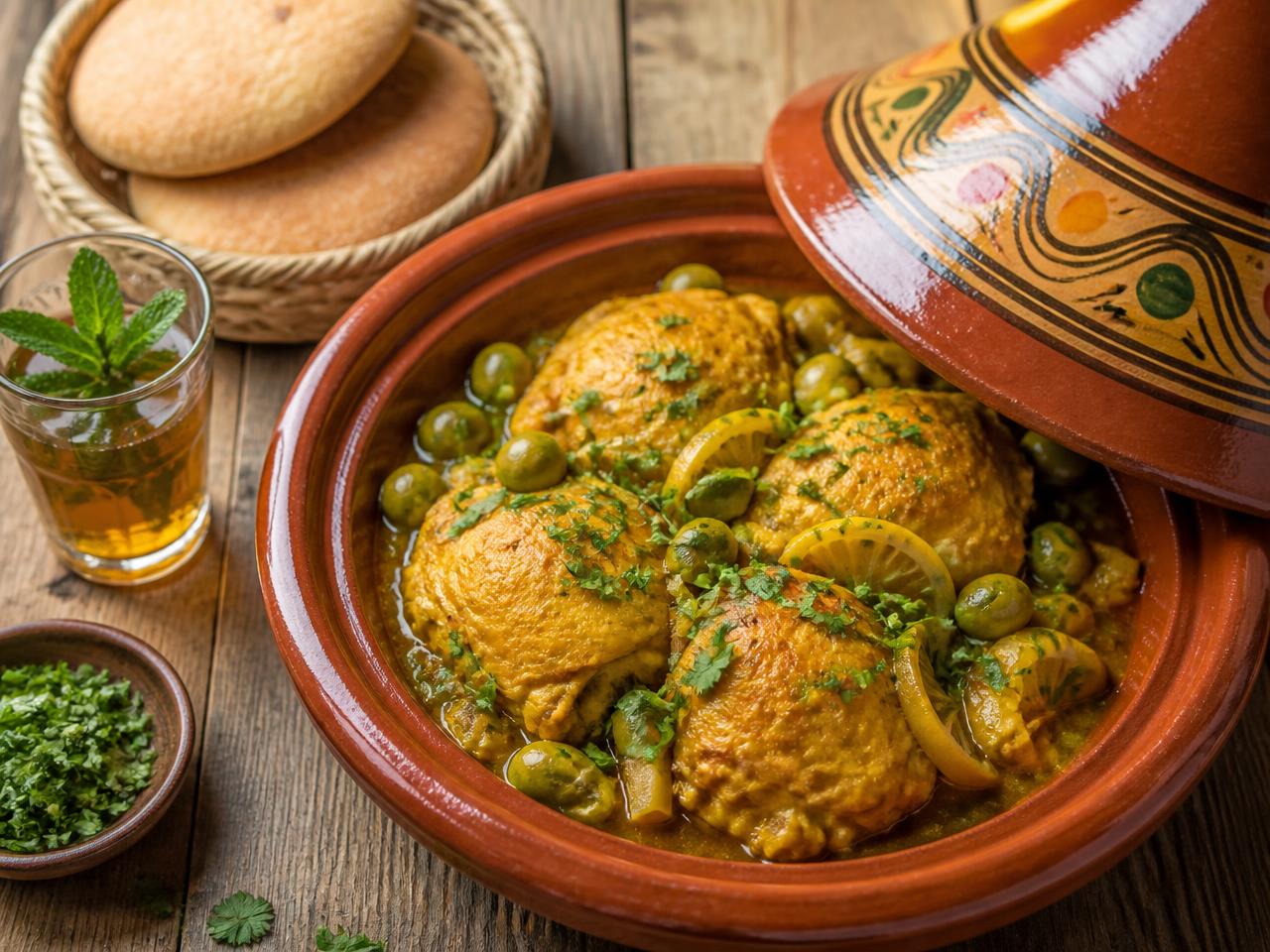
Moroccan
Authentic Moroccan Chicken Tagine with Preserved Lemons & Olives
80 min · Medium
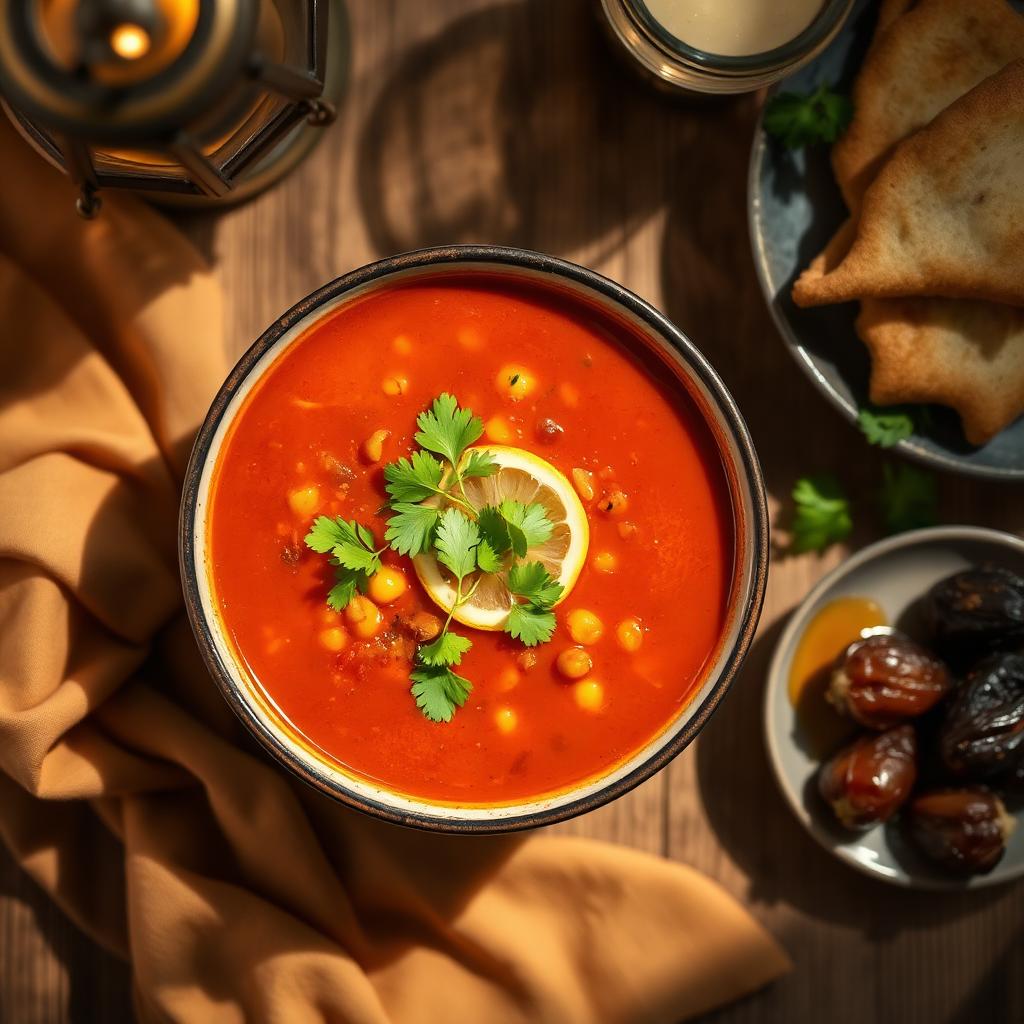
Moroccan
Harira Soup
60 min · Easy
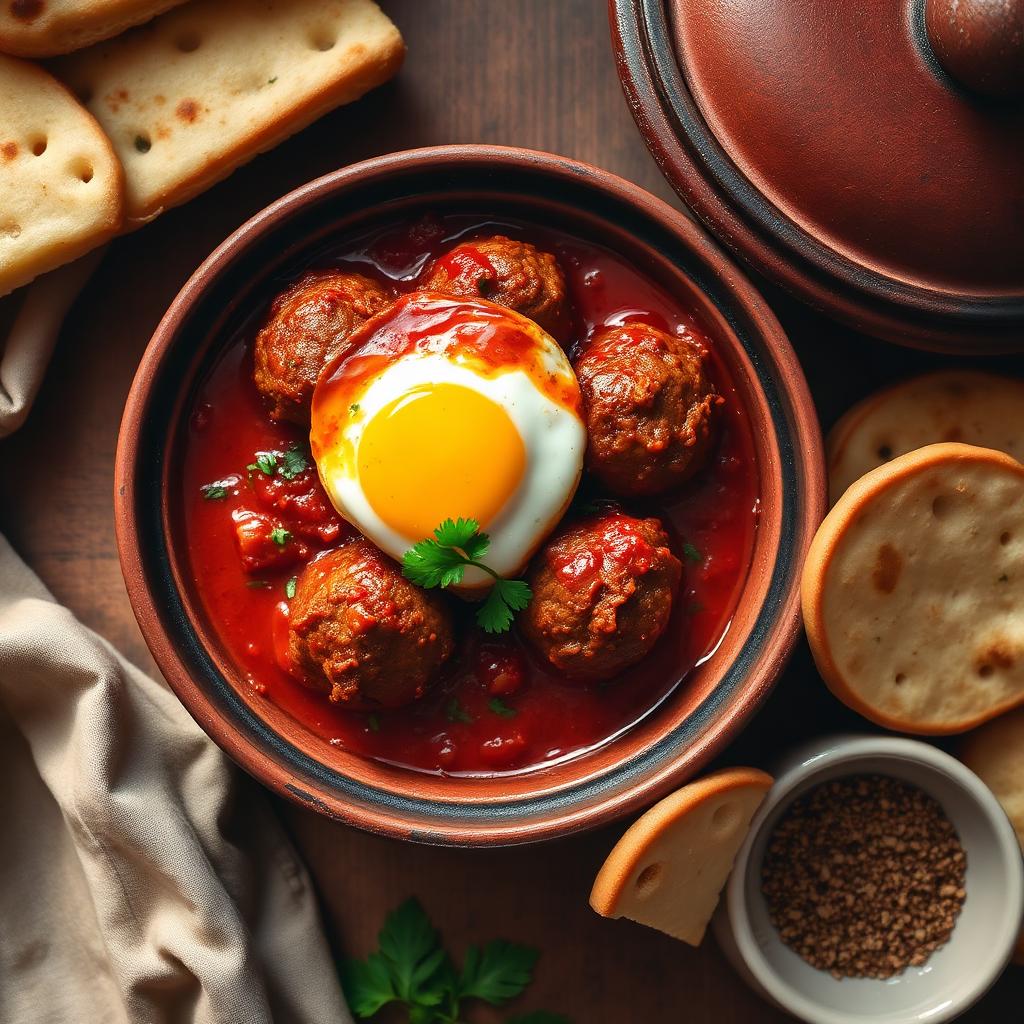
Moroccan
Moroccan Kefta Meatballs
40 min · Easy
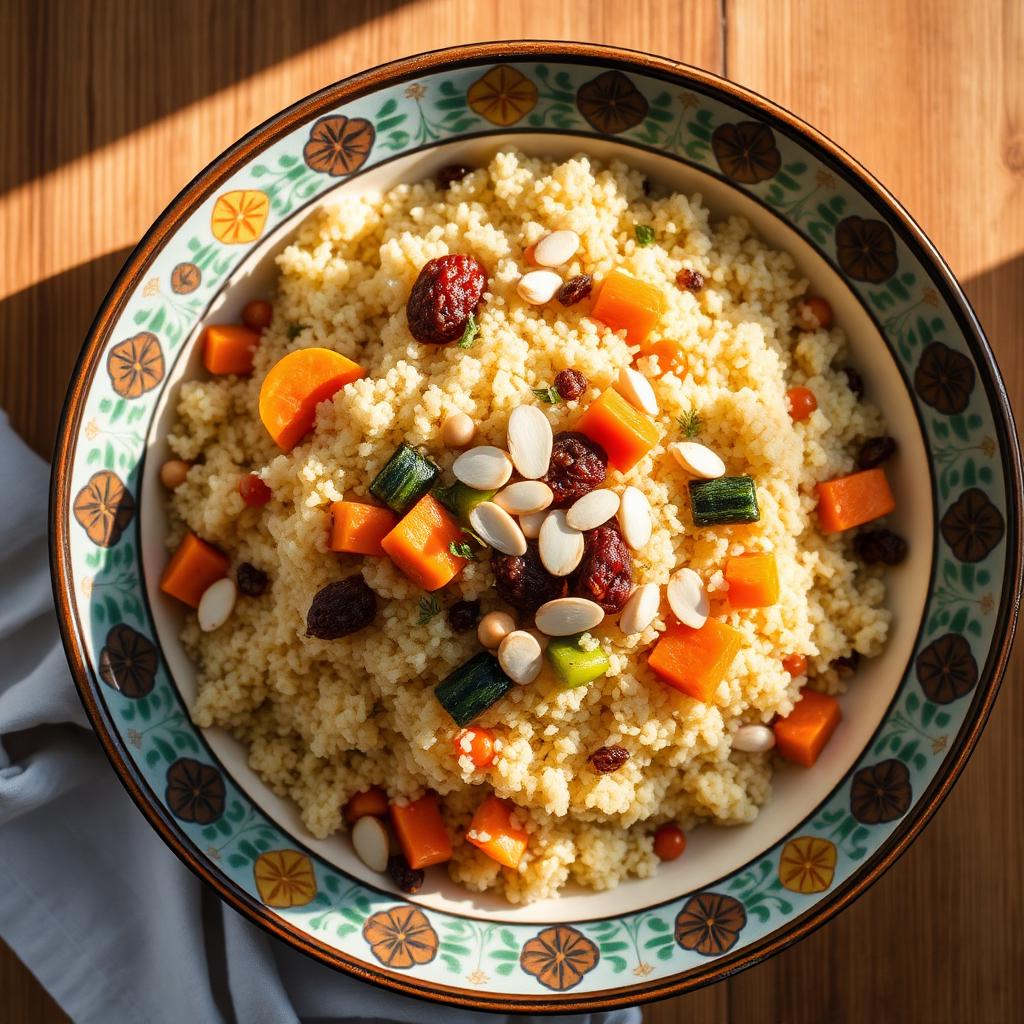
Moroccan
Moroccan Vegetable Couscous
55 min · Medium

Leave a Comment
Made Thai Shrimp Pad Thai? Tell us how it went, what you swapped in, and any tips for other home cooks. 💬