10 Foods That Were Once Illegal — and the Real Stories Behind the Bans
Advertisement
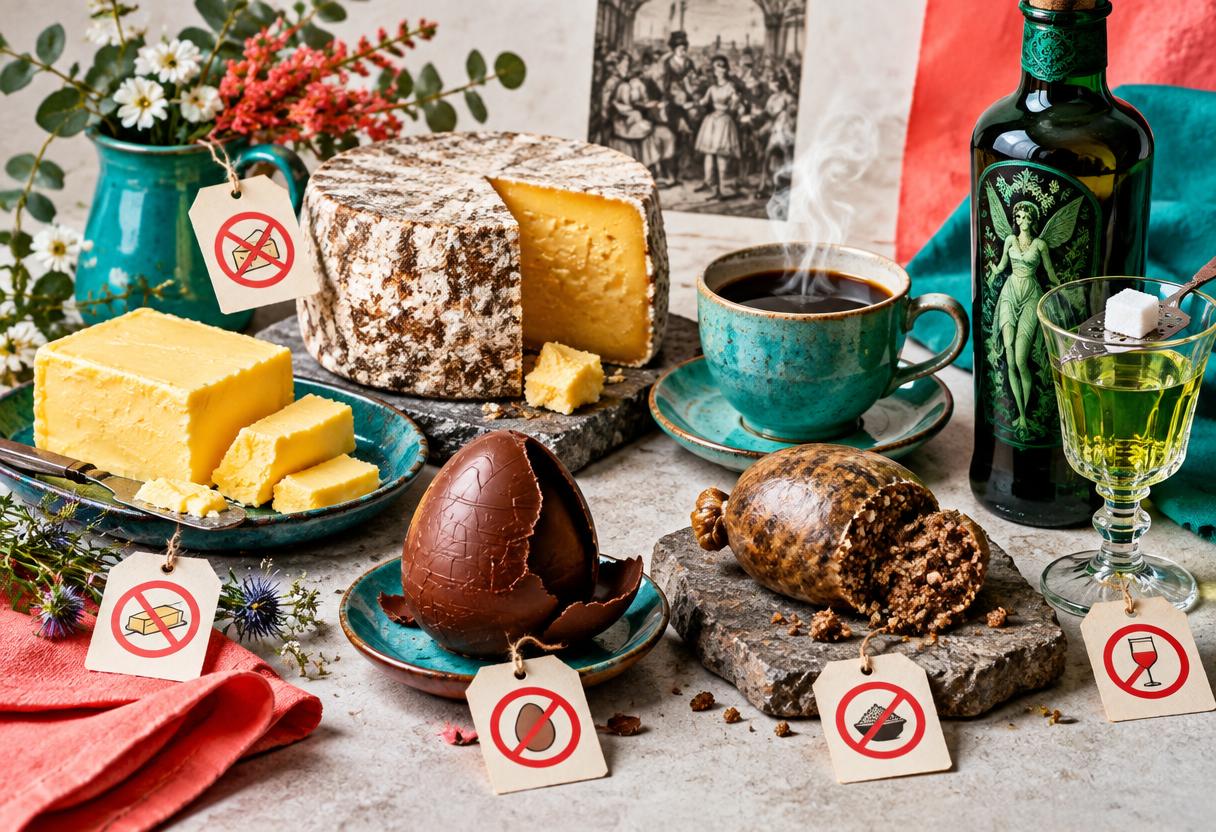
Imagine needing to check the law before buying a spread for your toast. Food history contains some surprisingly serious arguments over ordinary ingredients: dairy-industry competition, public health, wildlife protection and even the objects hidden inside sweets. But viral banned-food lists often leave out the most important detail — where, when and exactly what was prohibited. These ten examples include historical bans and continuing restrictions, not ten foods that were illegal everywhere. A ban on import or sale is not necessarily a ban on eating. This is a food-history tour, not legal advice or a challenge to try restricted products; local rules can change, and safety restrictions deserve respect.
1. Yellow Margarine: When Butter Had Political Muscle
In parts of North America, butter producers pushed for laws against their cheaper competitor. Some jurisdictions prohibited coloring margarine yellow, while others restricted sales or imposed heavy taxes. The target was not simply a dangerous ingredient: it was a product that looked like butter and competed with dairy farmers. U.S. federal margarine taxes were repealed in 1950; local histories differed.
2. Absinthe: France's Controversial Green Drink
France banned absinthe in 1915, after campaigns that blamed the spirit for social and health problems. The historical prohibition was lifted in 2011. That story is more complicated than the popular claim that absinthe always makes people hallucinate: its reputation mixed alcohol-related harm with exaggerated claims about wormwood. Today's products still have to meet applicable regulations.
3. Alcohol During U.S. Prohibition
From 1920 to 1933, U.S. national Prohibition outlawed the manufacture, sale and transportation of intoxicating liquor, with exceptions. It did not simply criminalize every act of drinking. Speakeasies and illegal supply networks became part of the era's dining culture; repeal came with the 21st Amendment.
4. Traditional Haggis With Sheep Lung
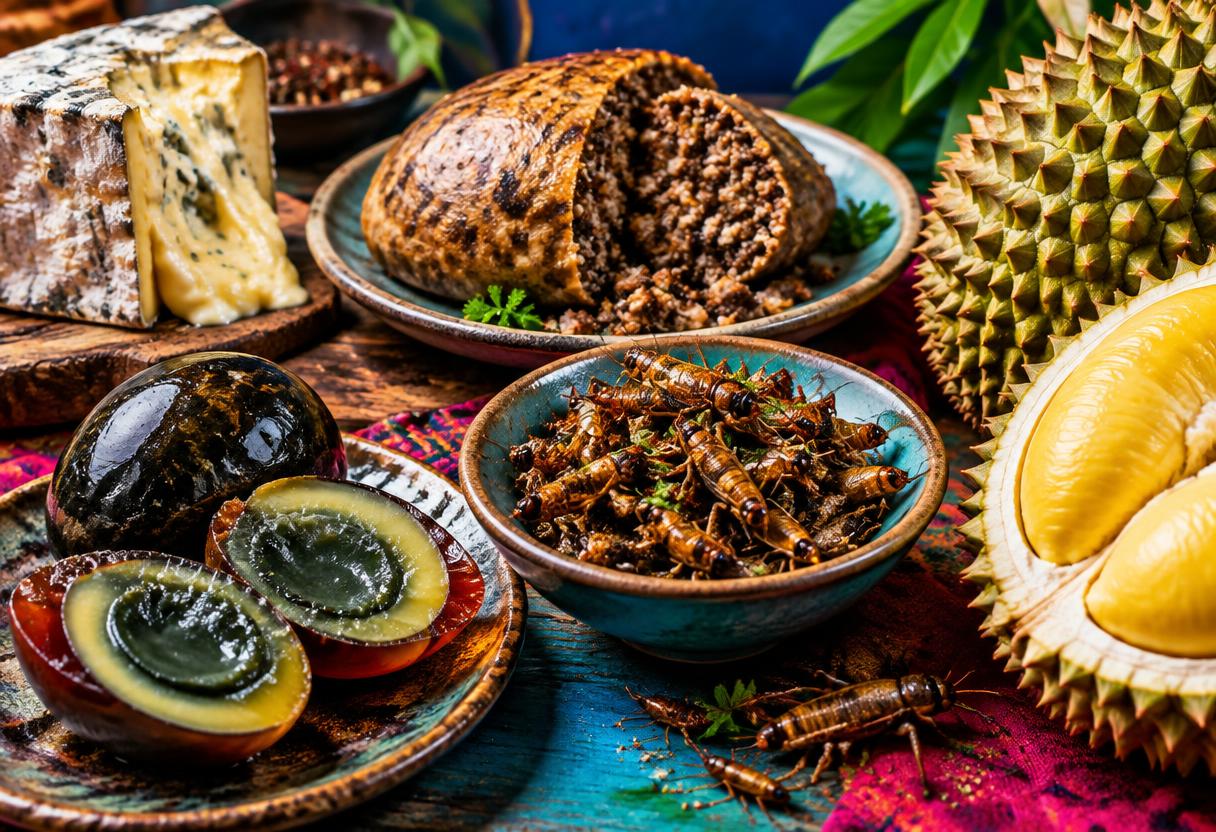
U.S. federal meat-inspection rules exclude livestock lungs from human food. Traditional Scottish haggis includes sheep lung, so that formulation cannot be sold as food under those rules. Haggis itself is not universally forbidden: versions without lung can be made with other permitted ingredients. The distinction is between a named dish and its specific recipe.
5. Kinder Surprise: The Toy, Not the Chocolate
The original Kinder Surprise places a toy capsule inside a chocolate egg. U.S. rules restrict confectionery with embedded nonnutritive objects, and FDA import alerts name this product. The issue is not European chocolate or egg-shaped sweets. Kinder Joy, which keeps its toy separate from its edible portion, is a different design.
6. Raw Milk Crossing U.S. State Lines
Federal rules have prohibited interstate sale of unpasteurized drinking milk since 1987. Rules for sales within a state vary, so 'raw milk is illegal throughout America' is misleading. Raw milk can carry harmful bacteria; pasteurization is an important safety measure, especially for children, pregnant people, older adults and people with weakened immunity.
7. Foie Gras From Force-Fed Birds in California
California's restriction on sales of products from force-fed birds took effect in 2012. Its legal history has included court challenges and distinctions over different transactions. It is a jurisdiction-specific animal-welfare rule, not a blanket statement that foie gras is banned across the United States. Check current official guidance rather than relying on an old headline.
8. Safrole in Old-Style Root-Beer Flavoring
Sassafras oil once helped flavor root beer. U.S. rules deem food containing added safrole or sassafras oil adulterated, following toxicological concerns. That does not mean all modern root beer is banned, or that every sassafras-derived ingredient is identical. Manufacturers can use compliant flavorings; this is not an invitation to make concentrated plant extracts at home.
9. Ackee Imports: Ripeness Matters
Unripe ackee can contain dangerous levels of hypoglycin A. FDA import controls distinguish approved processed products from unsafe shipments; properly ripened and processed edible arils are not the same as unripe fruit. Calling all ackee illegal erases both that distinction and its importance in Jamaican cuisine. Do not attempt to make unsafe fruit safe through improvised home processing.
10. Ortolan: A Protected Bird, Not a Culinary Dare
The ortolan bunting appears in stories about extravagant French meals, but EU bird-protection rules prohibit its deliberate capture and killing. The European Commission has challenged France over illegal hunting. This example is about wildlife conservation and illegal capture or trade, not proof that a traditional dish outranks the law. Admire the history without supporting harm to protected birds.
🍽️ Taste It in a Recipe
Ready to cook? Try these recipes that put this article's advice on your plate:
🎉 Loved it? Share this recipe!