10 Weird Food Museums Around the World Worth Knowing About
Advertisement
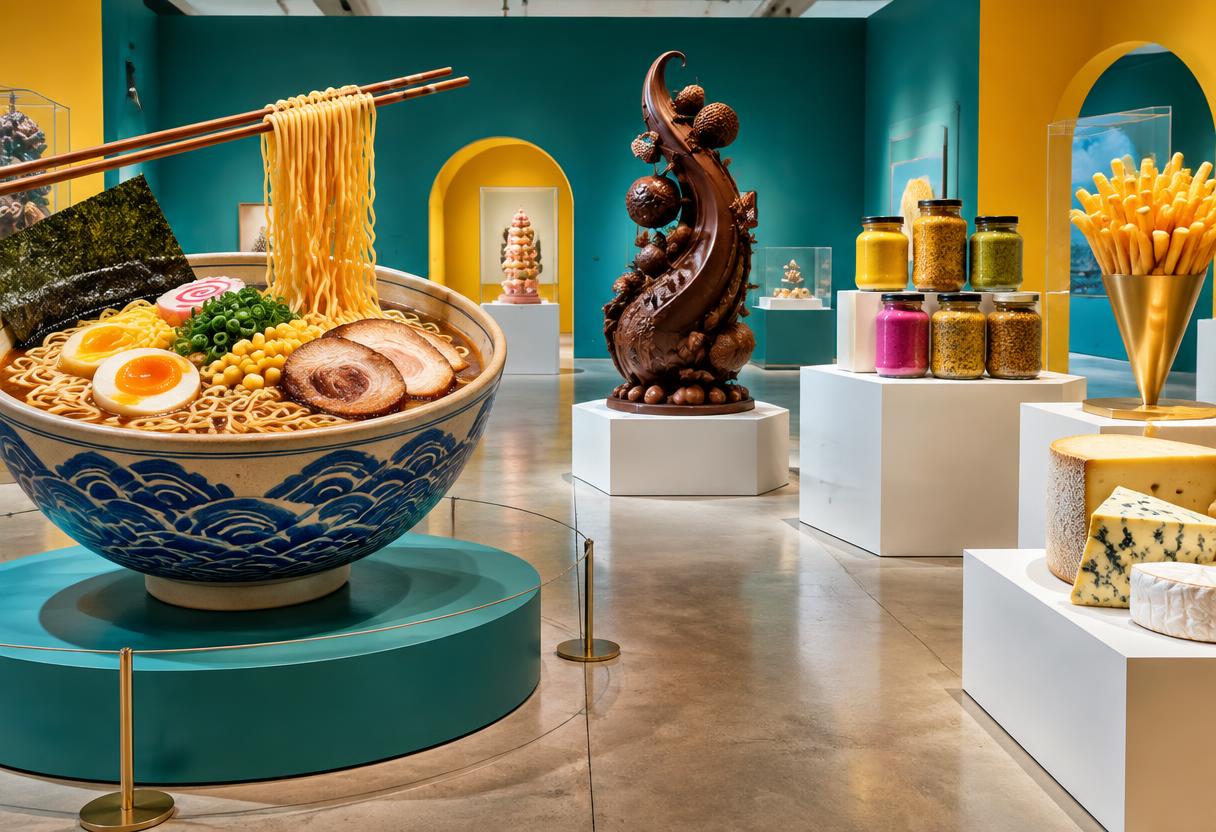
A museum does not need dinosaur bones to be memorable. Sometimes its star attraction is a can of meat, a potato or a sculpture made from sugar and almonds. Specialist food museums reveal how humble products shape communities, farming, trade and everyday rituals. Some are traditional exhibitions; others mix factory visits, workshops or places to eat with their historical displays. This list is a collection of real institutions and attractions, not a promise about today's opening hours, ticket prices or tasting opportunities. Check each venue before traveling. And remember: unusual does not mean unimportant. A jar of fermented vegetables can tell as rich a story as a royal portrait.
1. SPAM Museum — Austin, Minnesota, USA
Yes, the canned meat has its own museum, in Austin, Minnesota — not Austin, Texas. Its exhibits explore the brand, its manufacturing story and the places where SPAM became part of local food culture. A familiar supermarket tin turns into a lesson in industry, wartime distribution and global cooking.
2. Frietmuseum — Bruges, Belgium
Bruges offers a museum devoted to potatoes and fries. It follows the ingredient from its origins to the fried snack associated with Belgian food culture. It is a good reminder that the phrase 'French fries' is not, by itself, proof of where a dish was invented.
3. Museum Kimchikan — Seoul, South Korea
Kimchi is much more than one jar of spicy cabbage. Museum Kimchikan explores Korea's fermented vegetable traditions, their diversity and their cultural importance. The subject connects seasonal preservation, shared labor and the flavors of daily meals.
4. Shin-Yokohama Ramen Museum — Yokohama, Japan
This ramen-themed attraction combines history with a nostalgic streetscape and ramen shops. It treats noodles as something to explore through regional styles and food culture, not just one instant packet. Dining arrangements and exhibits can change, so check the official information before planning a visit.
5. Chocolate Museum — Cologne, Germany
Cologne's chocolate museum follows cacao from its agricultural origins to chocolate-making and consumption. The attraction shows how a glossy bar depends on plants, processing, trade and skilled production. Its subject is delicious, but the history behind chocolate includes difficult questions as well as sweet ones.
6. Alimentarium — Vevey, Switzerland
This museum takes food itself as its subject: what we eat, how we eat and how food systems work. Instead of celebrating only one snack, it connects the body, culture and the everyday meal. It belongs on the list for making the most ordinary human activity feel newly strange and fascinating.
7. German Hops Museum — Wolnzach, Germany
A whole museum for the plant that helps give beer its bitterness and aroma. In the Hallertau hop-growing region, hops also tell a story about agriculture, harvesting and local working life. Even people who do not drink beer can appreciate the crop behind a major regional industry.
8. Niigata Rice Cracker Museum — Niigata, Japan
This rice-cracker attraction connects a crunchy snack with rice-growing and factory production. It is often discussed alongside Bakauke Inari, a small shrine associated with the snack brand. Exhibits and hands-on activities vary, so do not assume a workshop is automatically available with every visit.
9. Szamos Marzipan Exhibition — Szentendre, Hungary
Marzipan is an almond-and-sugar confection that can double as a sculpting material. This exhibition and workshop presents the craft as edible artistry, with elaborate modeled creations. The surprise is not simply the ingredient: it is how far a skilled maker can push something usually eaten in small bites.
10. Parmigiano Reggiano Museum — Soragna, Italy
Part of the Parma region's food-museum network, this museum explores the making and heritage of Parmigiano Reggiano. Cheesemaking equipment and historical displays turn a grated topping into a story about milk, labor and regional identity. Nearby museums cover other local products, but this cheese collection earns a place of its own.
🍽️ Taste It in a Recipe
Ready to cook? Try these recipes that put this article's advice on your plate:
🎉 Loved it? Share this recipe!