10 Foods With Surprisingly Strange Origins — Myths Included
Advertisement
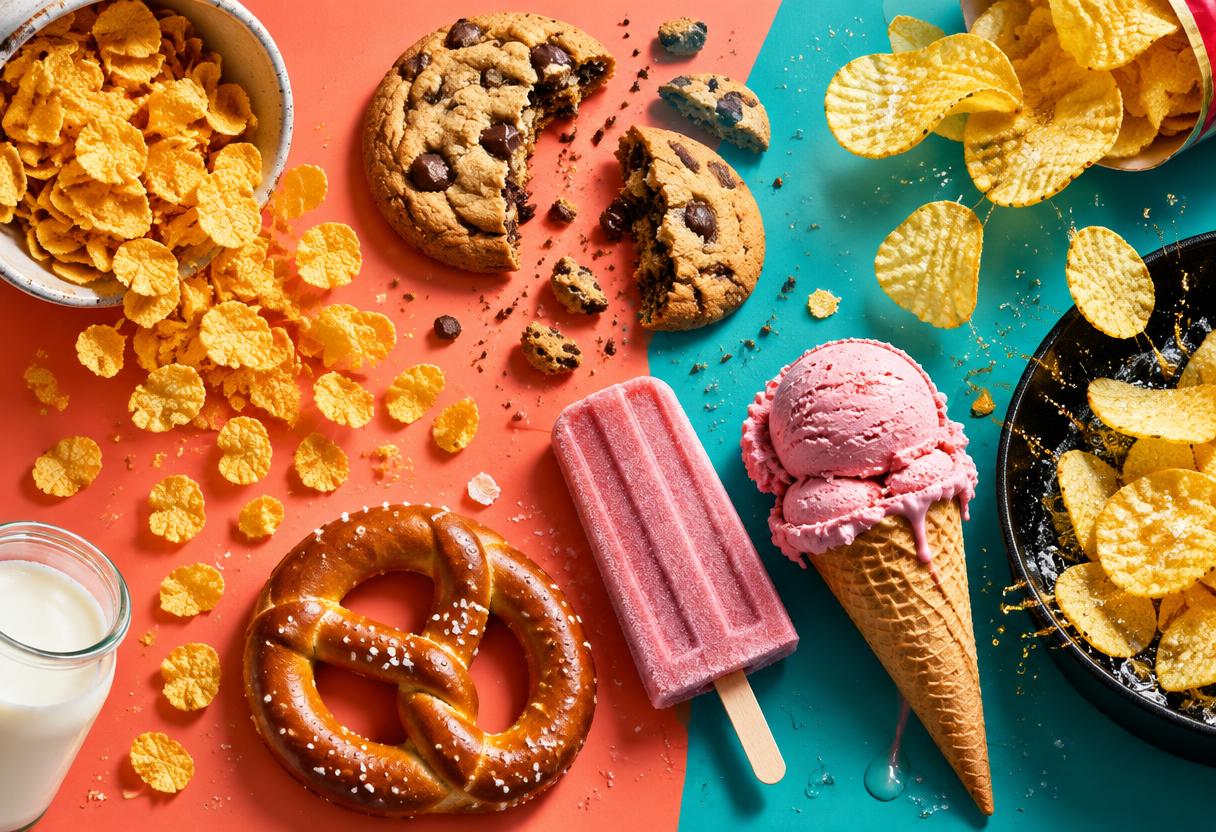
Food invention stories love a lucky accident: a forgotten bowl, an irritated chef, a recipe that should have gone wrong. Some are supported by patents and published recipes; others are appealing legends repeated until they sound like evidence. This tour looks at ten familiar foods whose histories are less straightforward than their names suggest. Where historians disagree, we say so. A disputed origin does not make a dish less interesting — it reveals how communities, brands and families tell stories about the things they love. Keep your curiosity, but take the tidiest 'invented in one moment' accounts with a pinch of salt. Most recipes evolve through many hands before becoming household favorites.
1. Caesar Salad: Think Tijuana, Not Ancient Rome
The widely accepted account credits Italian-born restaurateur Caesar Cardini and his restaurant in Tijuana, Mexico, during the 1920s. Other people later claimed a part in its creation, so the precise story remains debated. Its name is associated with Cardini, not evidence that Julius Caesar ate the modern salad.
2. Fortune Cookies: An Immigrant Story With Japanese Roots
The cookie served in American Chinese restaurants has a complicated background involving Japanese precursor cookies and immigrant bakers in the United States. Competing inventor claims remain unresolved. Treating it as an ancient Chinese tradition misses the cross-cultural story behind a modern restaurant ritual.
3. Potato Chips: The Revenge Story Is Not Settled History
You may have heard that George Crum sliced potatoes extremely thin to annoy a demanding diner in Saratoga Springs. It is a famous story, not a securely established first invention. Earlier recipes and conflicting accounts complicate the tale. Chips do not need a single dramatic origin to be a brilliant snack.
4. Nachos: A Dish Named for Nacho
The commonly cited account places Ignacio 'Nacho' Anaya at the Victory Club in Piedras Negras, Mexico, in 1943. He is credited with assembling tortilla pieces, melted cheese and jalapeños for guests. Details vary across retellings, but his nickname explains why the dish is called nachos.
5. Popsicles: A Childhood Accident, According to the Story
The Smithsonian recounts Frank Epperson's story of leaving a drink and stirring stick outdoors overnight as an 11-year-old in 1905 and finding it frozen. He later patented a frozen treat. The childhood anecdote is the reported discovery story, while the later commercial invention has a more concrete documentary trail.
6. Cornflakes: Wheat Came First
The Kellogg brothers' experiments at the Battle Creek Sanitarium produced wheat flakes in 1894. W.K. Kellogg made corn flakes two years later, according to ASABE's historical account. The familiar cereal grew out of a broader health-food setting and experimentation, not simply a single bowl of corn left on a counter.
7. Chocolate Chip Cookies: Not Necessarily an Accident
Ruth Wakefield is credited with creating the cookie at the Toll House Inn in Massachusetts; her Chocolate Crunch Cookie recipe appeared in her 1938 cookbook. The story that she accidentally expected chopped chocolate to melt into the dough is disputed. A skilled cook's deliberate work can be just as compelling as a lucky mistake.
8. Worcestershire Sauce: A Famous Barrel Legend
Lea & Perrins began selling their sauce in Worcester, England, in the 1830s. A popular legend says an initially unpleasant batch became delicious after sitting in storage. The supposed nobleman and the exact sequence are not securely established. Its documented commercial history should be distinguished from the brand's memorable origin tale.
9. Ketchup: Before Tomatoes, There Was Fish Sauce
The word ketchup is traced to Hokkien kê-tsiap, a fermented fish sauce. As related condiments traveled west, English versions used ingredients such as mushrooms before tomato ketchup became familiar. The name's history does not mean every modern bottle contains fish — recipes and meanings changed along the journey.
10. Marshmallows: A Plant Hiding in the Name
Marsh-mallow is a plant, and nineteenth-century French confectioners used preparations from its root in sweets. Most modern marshmallows use gelatin rather than that root. Ancient-Egyptian candy stories are often repeated, but should not be treated as a firmly documented recipe lineage for the fluffy modern confection.
🍽️ Taste It in a Recipe
Ready to cook? Try these recipes that put this article's advice on your plate:
🎉 Loved it? Share this recipe!