10 Surprising Facts About Chocolate You Didn't Know
Advertisement
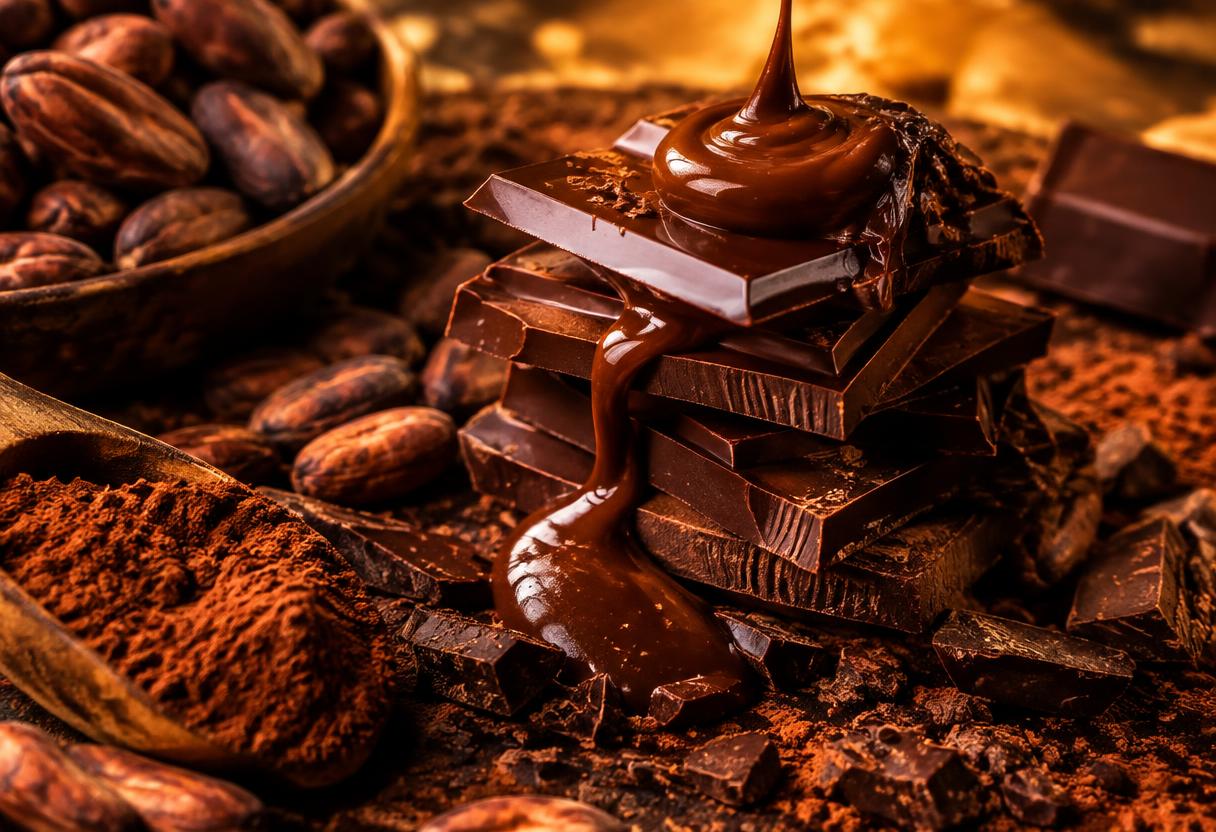
Chocolate is one of the few foods people crave by name. But the candy bar in your drawer has a wild history — it started as a bitter ceremonial drink, served as currency, and only became sweet about 170 years ago. Here are ten facts that reframe every bite.
1. Chocolate Was Money
The Maya and Aztecs used cacao beans as currency — taxes were paid in them, and a turkey cost around 100 beans. Counterfeiting cacao (hollowing out beans and refilling them) was a documented crime.
2. For 90% of Its History, Chocolate Was a Drink
Cacao was consumed as a bitter, spiced frothy drink for thousands of years before anyone ate it. Solid chocolate only appeared in the 1800s, and eating chocolate is younger than many universities.
3. Cacao Trees Can Only Grow Near the Equator
The cacao tree grows only within about 20 degrees of the equator, in shade and humidity. Every chocolate bar on earth comes from this narrow band — which is why cacao farmers and chocolate prices are so climate-sensitive.
4. White Chocolate Isn't Technically Chocolate
White chocolate contains cacao butter (the fat of the bean) but none of the cacao solids that give chocolate its flavor and color. It's legally chocolate in most countries, but chemically it's a different product.
5. Cacao Percentage Means Less Sugar
A '70% cacao' bar means 70% of the bar is cacao (solids + butter) and roughly 30% is mostly sugar. Going from 50% to 70% literally halves the sugar — one of the easiest ways to eat less sugar without giving up dessert.
6. Chocolate Contains Compounds Linked to Mood
Dark chocolate carries flavanols (studied for heart and brain benefits) plus small amounts of compounds associated with feelings of well-being. The effect is real but modest — chocolate is a pleasure, not a supplement.
7. The Melting Point Is No Accident
Cacao butter melts at around 93°F / 34°C — just below body temperature. That's why chocolate melts on your tongue but not (usually) in your hand, and why it's one of the most engineered textures in food.
8. A Sniff Test Explains Cravings
Chocolate contains more than 600 flavor compounds — more than fine wine. Combined with its smooth melt, it's among the most sensory-rich foods humans eat, which is part of why it's so hard to eat just one square.
9. Dutch Processing Changes Everything
'Dutched' cacao is treated with alkali to mellow bitterness and deepen color — great for baking, but it strips many of the antioxidants. Natural cacao is sharper and tangier; the two are not interchangeable in recipes.
10. Chocolate Was Almost a Luxury Forever
Chocolate stayed an elite luxury until 1828, when a Dutch chemist invented cocoa powder, making it affordable for everyone. Your supermarket candy bar is the direct result of one engineering breakthrough.
🍽️ Taste It in a Recipe
Ready to cook? Try these recipes that put this article's advice on your plate:
🎉 Loved it? Share this recipe!