
Chili Peppers: Benefits, the Science of Heat, and How to Control the Burn
Advertisement
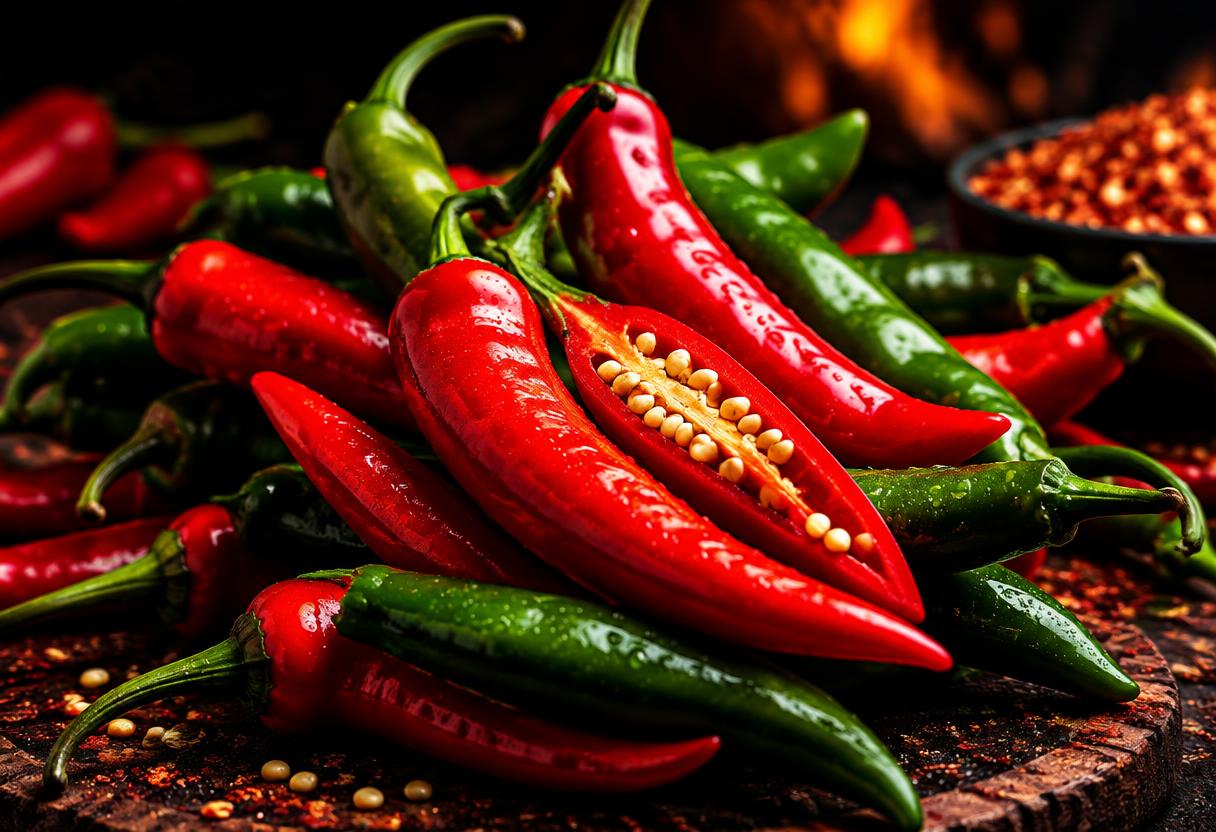
Chili peppers are the rare ingredient people eat purely for the sensation. That pleasant burn is capsaicin doing something surprising to your body — and understanding it means you can dial heat up or down with confidence instead of guessing.
What Capsaicin Actually Does
Capsaicin binds to the same receptors that detect real heat, which is why your mouth feels like it's burning even though nothing is damaged. Your body responds by releasing endorphins — the source of the pleasant 'chili high' that keeps spice lovers coming back.
Capsaicin also has real metabolic perks: it's mildly thermogenic, and population studies link regular chili eating with better heart-health outcomes. And hot peppers are loaded with vitamin C — gram for gram, often more than oranges.
Where the Heat Lives (and How to Control It)
The white membrane and seeds inside the pepper carry most of the capsaicin — the flesh is comparatively mild. That's your control dial:
- For less heat: remove the white ribs and seeds, and skip the membrane entirely
- For more heat: blend the whole pepper, seeds and all
- Cooking concentrates heat; dairy, sugar and acid tame it — add yogurt, a pinch of sugar or a squeeze of lime if a dish gets too fiery
- Wear gloves when working with habaneros or scotch bonnets, and never rub your eyes
Which Pepper for Which Dish
Match the pepper to the job instead of reaching for the hottest one you own:
- Bell peppers: sweet body and color, zero heat — the base of countless stews
- Jalapeños and serranos: everyday heat for salsas, tacos and stir-fries
- Harissa and dried red chilies: deep, slow warmth for tagines and couscous
- Thai bird's-eye and habaneros: big heat — use a small amount in sauces and pastes
Cooling a Burning Mouth: What Works
Capsaicin is fat-soluble, so water doesn't help much — it just spreads it around. The real extinguishers are milk, yogurt, sour cream, and a spoonful of sugar or honey. That's why spicy cuisines almost always pair heat with dairy or sweetness, from raita with curry to cheese with jalapeños.
🍽️ Taste It in a Recipe
Ready to cook? Try these recipes that put this article's advice on your plate:
🎉 Loved it? Share this recipe!