Did You Know? 10 Surprising Facts About Honey
Advertisement
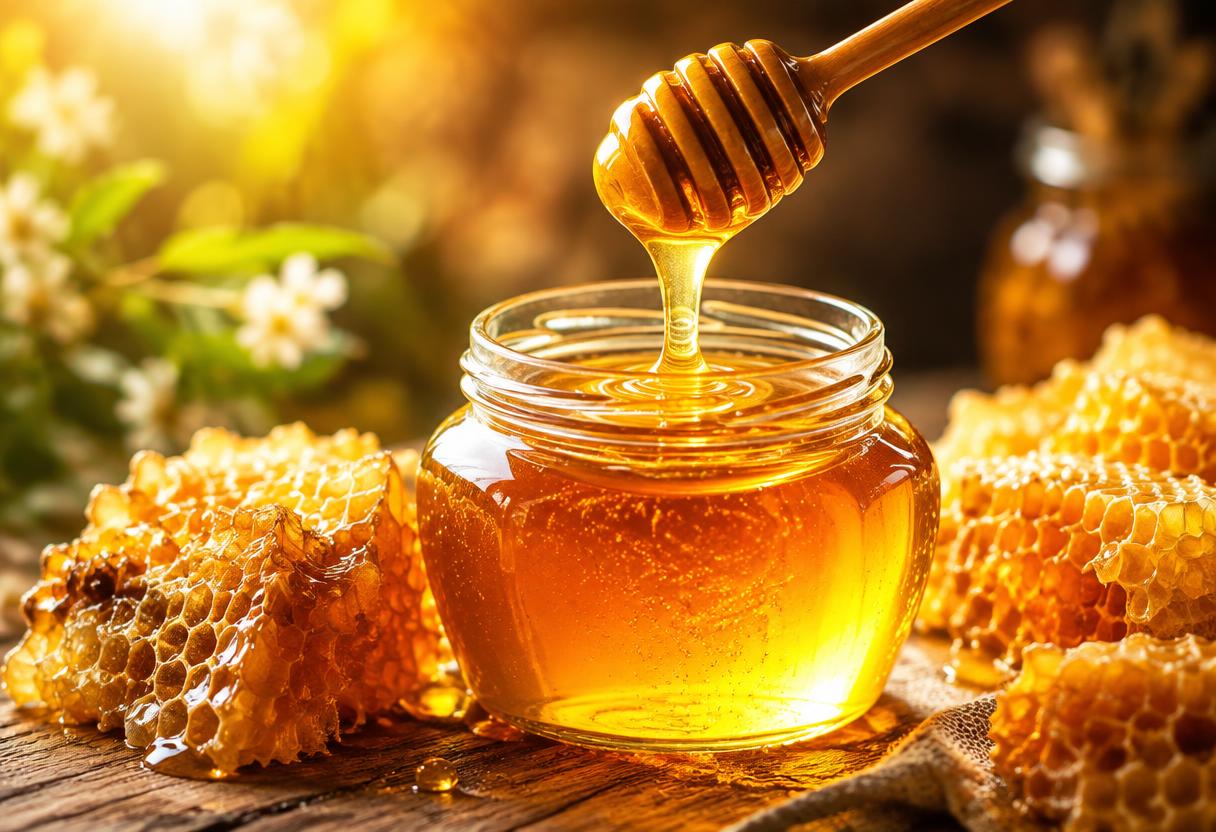
Honey might be the most remarkable thing in your kitchen. It predates writing, outlasted ancient empires, and is chemically almost impossible to spoil. Here are ten facts about honey that most people have never heard — number 7 will change how you store the jar.
1. Honey Never Spoils
Archaeologists have opened 3,000-year-old Egyptian tombs and found pots of honey still perfectly edible. Its low water content and natural acidity make it hostile territory for bacteria and mold — it's the only food that essentially doesn't expire.
2. One Bee Makes a Tiny Fraction of a Jar
A single worker bee produces about 1/12 of a teaspoon of honey in her entire lifetime. The jar in your kitchen represents the lifetime work of hundreds of bees flying the equivalent of several trips around the world.
3. Honey Is the Only Food Made by an Insect That We Eat
There are countless insect-based ingredients in food chains, but honey is the only one humans eat as-is, straight from the maker, with essentially no processing.
4. Bees Produce More Than Double What They Need
A healthy hive makes far more honey than it requires to survive the winter. Beekeepers harvest only the surplus, which is why honey can be a genuinely sustainable sweetener when sourced responsibly.
5. Honey Comes in More Colors Than You Think
Honey ranges from nearly water-white (clover, acacia) to almost black (buckwheat, chestnut). The color comes from the flowers the bees visited — and darker honeys generally carry bolder, maltier flavors and more antioxidants.
6. Crystallization Is a Sign of Quality, Not Spoilage
Raw honey naturally crystallizes over time, especially in cool temperatures. It's not going bad — warm the jar gently in a bowl of warm water and it turns liquid again. Many honey lovers prefer the creamy, spreadable texture.
7. The Flowers Decide the Flavor
Just like wine, honey has terroir. Orange blossom honey tastes floral and delicate, lavender honey herbal, buckwheat honey malty and almost molasses-like. Tasting different honeys side by side is one of the cheapest flavor adventures in food.
8. Honey Was Ancient Sports Fuel
Ancient Olympic athletes reportedly ate honey and dried figs before competing — an early energy gel. Honey is mostly simple sugars that your body absorbs quickly, which is why runners still use it today.
9. It's Been a Medicine Longer Than a Food
Honey appears in Egyptian medical papyri from 2,700 BCE as a wound treatment, and modern medicine agrees: medical-grade honey is still used today for its antibacterial properties in wound care. The classic spoonful for a sore throat has real science behind it.
10. Heat Destroys Its Delicate Compounds
The one mistake most people make: pouring honey into boiling-hot tea. High heat degrades the enzymes and aromatic compounds that make raw honey special. Let your tea cool for a few minutes first — the flavor and benefits are noticeably better.
🍽️ Taste It in a Recipe
Ready to cook? Try these recipes that put this article's advice on your plate:
🎉 Loved it? Share this recipe!